car insurance claims

Understanding Arizona Insurance Claims: A Step-by-Step Guide After a Collision

The moments following a collision are stressful enough without worrying about insurance claims and paperwork. At Formula 1 Collision Center, we’ve guided thousands of Tucson drivers through the claims process over our 40 years in business. Understanding how Arizona insurance claims work and knowing your rights can make a significant difference in your experience and outcome. This comprehensive guide walks you through each step of the process.

Step 1: Ensure Safety and Document the Scene

Before considering insurance, prioritize safety: move vehicles out of traffic if possible and check for injuries. Call 911 if anyone is hurt or if there’s significant property damage. Arizona law requires reporting accidents involving injury, death, or property damage exceeding $1,000.

While waiting for the police, document everything thoroughly. Take photos of all vehicles from multiple angles, capture the intersection or location, photograph visible damage, road conditions, traffic signals, and anything else relevant. Get contact information from other drivers, including names, phone numbers, insurance details, and license plate numbers. Collect witness information if anyone stopped to help.

This documentation becomes invaluable during the claims process. Insurance adjusters weren’t at the scene, so your photos and notes provide critical evidence supporting your claim.

Step 2: Notify Your Insurance Company Promptly

Contact your insurance company as soon as it is safe to do so after the accident. Most policies require notification within 24 to 72 hours, and delays can complicate or even jeopardize your claim. Have your policy number, accident location, date and time, other driver’s information, and police report number (if applicable) ready when you call.

When speaking with your insurer, stick to factual information about what happened. Avoid speculation about fault or making statements like “I’m sorry” that could be interpreted as an admission of liability. Answer questions honestly but concisely.

Step 3: Understand Arizona’s Insurance Requirements

Arizona requires all drivers to carry minimum liability coverage of $25,000 per person for bodily injury, $50,000 per accident for bodily injury, and $15,000 for property damage. However, these minimums often prove insufficient for serious accidents.

If you carry collision coverage, your insurer will pay for your vehicle damage regardless of fault, minus your deductible. Comprehensive coverage covers non-collision damage, such as hail, theft, or vandalism. Understanding what coverage you actually have prevents surprises when filing your claim.

Step 4: Know Your Right to Choose Your Repair Shop

Arizona law gives you the right to choose where your vehicle is repaired. Insurance companies may recommend specific shops, but you’re under no obligation to use them. Some insurers partner with shops that agree to use aftermarket parts or expedited timelines that may not serve your best interests.

You have the right to select a certified collision repair shop you trust. Quality repairs matter more to insurance companies than convenience. Formula 1 Collision Center works with all major insurance carriers and handles the communication and paperwork, so choosing us doesn’t complicate your claim.

Step 5: Get a Professional Repair Estimate

Schedule an inspection with your chosen repair shop to get a detailed auto body repair estimate. This typically takes 30 minutes and results in a comprehensive assessment of all damage, including hidden issues not visible from the outside.

The estimate should include itemized repairs, parts needed (OEM vs aftermarket), labor costs, and total projected cost. This document becomes the basis for negotiations with your insurance company.

Step 6: Work with the Insurance Adjuster

Your insurance company will assign an adjuster to evaluate your claim. The adjuster’s job is to assess damage and determine what the insurer will pay. Remember that adjusters work for the insurance company, not for you.

The adjuster may want to inspect your vehicle before repairs begin. They’ll compare their assessment with your repair shop’s estimate. Discrepancies often arise regarding the extent of damage, the type of parts required, or the labor time needed.

This is where working with an experienced shop like Formula 1 Collision Center helps. As an I-CAR Gold Class certified facility, we have the expertise and documentation to support proper repair procedures when discussing estimates with adjusters.

Step 7: Address Coverage Disputes

Sometimes insurance companies dispute coverage or claim amounts. Common issues include denying claims based on policy exclusions, offering settlements below actual repair costs, insisting on aftermarket parts when OEM parts are appropriate, or claiming pre-existing damage.

If disputes arise, document everything in writing. Request written explanations for any claim denials or reduced payments. You have the right to appeal insurance company decisions through their internal process. Arizona’s Department of Insurance also provides resources for resolving disputes with insurers.

Step 8: Understand Diminished Value Claims

Even after perfect repairs, vehicles involved in accidents typically have reduced resale value. In Arizona, you may be entitled to compensation for this “diminished value” if another driver was at fault. This is separate from repair costs and isn’t automatically included in claims.

Diminished value claims require documentation showing your vehicle’s reduced market value after the accident. This typically involves professional appraisals comparing your vehicle’s value to similar vehicles without accident history.

Step 9: Consider Rental Car Coverage

If your policy includes rental car coverage, your insurer will arrange a rental vehicle while yours is being repaired. Coverage typically has daily and total limits. Understand these limits before selecting a rental vehicle that exceeds your coverage.

If you don’t have rental coverage, you may still be entitled to a rental if the other driver was at fault and their insurance accepts liability. Don’t assume you can’t get a rental vehicle; always ask about your options.

Step 10: Review Repairs Before Final Approval

Once repairs are complete, inspect your vehicle thoroughly before signing the final paperwork. Check that all documented damage has been repaired, the paint matches properly, panel gaps are even, all features and systems work correctly, and the vehicle has been detailed and cleaned.

At Formula 1 Collision Center, we walk customers through completed repairs and ensure complete satisfaction before releasing vehicles. Our Limited Lifetime Warranty backs our workmanship, giving you confidence in the quality of our repairs.

Special Considerations for Arizona Drivers

Arizona’s climate creates unique considerations for collision repairs. Our intense UV exposure can cause paint fading, making color matching crucial. Dust storms may delay outdoor work, affecting repair timelines. And the monsoon season brings hail damage, which spikes insurance claims during the summer months.

Experienced local shops understand these factors and can communicate them to insurance adjusters who may not be familiar with Arizona’s unique conditions.

Working with Certified Repair Facilities

Choosing certified repair shops offers advantages during the claims process. Certifications from manufacturers such as Subaru and Volvo mean technicians have specific training for your vehicle make. This expertise helps ensure proper repairs and can strengthen your position when insurance companies question repair procedures or costs.

Common Insurance Claim Mistakes to Avoid

Don’t delay reporting your accident. Even minor delays can create problems. Never exaggerate damage or provide false information, as insurance fraud has serious consequences. Avoid accepting the first settlement offer without first determining whether it covers all necessary repairs. And don’t begin repairs before getting insurance approval unless you’re prepared to pay out of pocket.

Get Expert Help Navigating Your Claim

Insurance claims don’t have to be overwhelming. Formula 1 Collision Center has decades of experience working with insurance companies and helping customers navigate the claims process. We handle communication with adjusters, provide detailed documentation supporting proper repairs, and advocate for our customers when disputes arise.

Our commitment is restoring your vehicle to its pre-accident condition using quality parts and proper procedures, regardless of insurance company preferences. We work with all major insurers and make the process as smooth as possible for you.

If you’ve been in an accident and need help with insurance claims or collision repairs, contact Formula 1 Collision Center at (520) 369-4291. We’ll guide you through the process and ensure your vehicle receives the quality repairs it deserves.

a man his car cleaning equipment in the back of the car

Spring Cleaning for Your Car: Addressing Winter Damage

As spring approaches in Tucson, it’s the perfect time to assess how winter months have affected your vehicle. While Arizona winters are mild compared to snow belt states, our unique desert climate still takes a toll on cars. At Formula 1 Collision Center, we see specific patterns of winter wear that Tucson drivers should address before temperatures climb into triple digits. A thorough spring inspection and refresh can prevent minor issues from becoming major problems.

Understanding Winter Damage in the Desert

Arizona’s winter might not involve salt-covered roads or freezing temperatures, but our vehicles still face challenges. Cooler overnight temperatures cause paint and rubber seals to contract and expand daily. Dust storms remain active during the winter months, sandblasting exposed surfaces. Lower humidity levels can dry out rubber components faster than summer moisture, and the still-intense UV exposure continues to degrade exterior finishes even during shorter winter days.

These factors combine to create wear patterns unique to desert vehicles that require attention as we transition into spring and the brutal summer heat ahead.

Inspect Your Paint and Clear Coat

Winter dust storms and daily temperature fluctuations can compromise your vehicle’s paint protection. Check your exterior finish carefully for dull spots, fine scratches, or areas where the clear coat appears hazy. These are signs that protective layers have worn thin and need attention before summer’s intense UV exposure accelerates damage.

Pay special attention to horizontal surfaces, such as the hood, roof, and trunk lid, where dust accumulates most. If you notice etching or rough texture when running your hand over painted surfaces, mineral deposits from winter rains have likely bonded to the finish. Professional auto body refinishing can restore these surfaces and apply fresh protective coatings before summer arrives.

Don’t ignore small paint chips or scratches discovered during your spring inspection. While they might seem minor, exposed metal will oxidize quickly once summer humidity and monsoon season arrive. Addressing these issues now prevents rust formation and more expensive repairs later.

Check Rubber Seals and Weather Stripping

Arizona’s dry winter air is particularly hard on rubber components. Inspect door seals, window weather stripping, and trunk gaskets for cracking, hardening, or gaps. Damaged seals allow dust intrusion during spring winds and will leak water during summer monsoon storms.

Run your fingers along all door and window seals, checking for flexibility. Rubber that feels brittle or shows visible cracks needs to be replaced. This preventive maintenance protects your interior from dust and moisture while maintaining cabin insulation to ensure efficient air conditioning during the hot months ahead.

Address Windshield Issues

Winter temperature swings can cause small windshield chips to spread into longer cracks. Inspect your windshield carefully under good lighting for any damage that might have developed or worsened during the winter months. Small chips can often be repaired if addressed promptly, but delays often mean a full windshield replacement is necessary.

Check wiper blades that worked through winter’s occasional rain and dust storms. Worn blades leave streaks that reduce visibility and can scratch windshield glass. Replace them now so you’re prepared for spring dust storms and the eventual monsoon season.

Examine Undercarriage Components

While Tucson doesn’t use road salt, winter still affects undercarriage components. Accumulated dust mixed with moisture from occasional winter rains creates an abrasive paste that can wear suspension bushings and accelerate corrosion on exhaust components and brake lines.

A professional undercarriage inspection identifies worn bushings, damaged protective covers, or developing rust issues. Addressing these problems during spring prevents failures during summer road trips when you’re far from home, and help is miles away.

Test Your Air Conditioning System

Winter driving means less AC usage, and systems sitting idle can develop problems. Test your air conditioning now rather than waiting until the first 100-degree day. If it’s not blowing cold, the refrigerant might need replenishing, or the compressor might need service.

Strange odors when running the AC indicate mold or mildew growth in the evaporator core, a common issue in climates with occasional moisture. Professional cleaning eliminates these odors and improves air quality for summer driving.

Inspect Tire Condition

Cooler winter temperatures affect tire pressure, and months of temperature fluctuations may have led to slow leaks. Check all tires, including the spare, for proper inflation. Examine tread depth and look for uneven wear patterns indicating alignment issues.

Arizona roads are notorious for potholes that worsen during winter rains. Hitting even one significant pothole can knock your alignment off or damage suspension components. If your vehicle pulls to one side or the steering wheel sits crooked, alignment correction is needed before uneven tire wear accelerates.

Clean and Protect Your Interior

Winter’s lower UV intensity and cooler temperatures might have masked interior damage, but spring sunshine will reveal the truth. Vacuum thoroughly to remove dust that has infiltrated during the winter months. Clean and condition leather surfaces that dried out during low-humidity winter weather.

Dashboard plastics and vinyl surfaces dried by winter’s low humidity need conditioning before summer heat arrives. Protective treatments prevent cracking and fading while making surfaces easier to clean. Don’t forget to clean the window interiors, where winter moisture can leave a film that reduces visibility.

Address Minor Collision Damage

Winter months see increased accident rates due to reduced visibility during dust storms and occasional rain. If your vehicle sustained minor winter damage that you’ve been putting off, spring is the ideal time for collision repair. Getting repairs completed now means your vehicle looks great for spring and summer activities.

Even small dents and scratches deserve attention. Paint protection is compromised at damage sites, allowing accelerated deterioration once summer heat and monsoon moisture arrive. Professional repair restores both appearance and protection.

Schedule Professional Inspection

While you can handle basic spring cleaning and inspection yourself, pa rofessional assessment identifies issues you might miss. At Formula 1 Collision Center, our I-CAR Gold Class certified technicians can evaluate your vehicle’s condition and recommend necessary repairs or maintenance.

We work with all makes and models, including certified repairs for Subaru and Volvo vehicles. Whether you need minor paint touch-ups, comprehensive refinishing, or collision repair work postponed during the winter months, our team provides quality workmanship backed by our Limited Lifetime Warranty.

The Benefits of Spring Maintenance

Addressing winter wear during spring prevents problems from worsening during Arizona’s intense summer. Small issues fixed now avoid becoming major repairs later. Your vehicle looks better, runs more reliably, and maintains higher resale value when properly maintained through seasonal transitions.

Spring maintenance also provides peace of mind for upcoming road trips and summer activities. Knowing your vehicle received thorough attention means fewer concerns about breakdowns or problems developing during peak summer heat.

Get Started on Spring Preparation

Don’t wait until problems become obvious or until summer heat makes repairs uncomfortable. Spring offers ideal temperatures for working on vehicles and represents the perfect opportunity to address any winter damage before conditions worsen.

Formula 1 Collision Center has served Tucson for over 40 years, and we understand exactly how Arizona’s climate affects vehicles through seasonal changes. Our expertise ensures your car receives appropriate care for desert conditions.

Ready to give your vehicle a spring refresh? Contact Formula 1 Collision Center at (520) 369-4291 to schedule an inspection or discuss any repairs needed. We’ll help you get your vehicle ready for the seasons ahead.

how to call for a tow truck

How To Call for a Tow Truck

Whether you’re on your way to work, running errands, or taking a road trip, getting stranded on the side of the road with car trouble is never part of the plan. Whether it’s a flat tire, an overheated engine, or a fender bender, knowing how to call for a tow truck can make a stressful situation much easier to manage. Having a dependable tow truck service in Tucson, AZ, on speed dial is the difference between feeling helpless and getting assistance quickly.

Safety First

Safety comes first when making a call for roadside assistance, so before you do anything else, get to a safe location. Pull your car onto the shoulder, into the breakdown lane, or into a parking lot.

Turn on your hazard lights so you’re visible to other drivers. This gives them the chance to slow down and avoid hitting you.

Gather the Details

When you contact a towing company, they’ll need a few essential details to help you faster:

  • Your exact location (street names, mile markers, or landmarks)
  • The kind of vehicle you’re driving (compact car, SUV, truck, make, model, etc.)
  • The type of problem (flat tire, dead battery, accident, etc.)

Having this information handy makes getting a towing service more efficient, since they’ll know what type of truck and equipment to bring and can get to your location faster.

Call the Right Company

Now comes the most important part of knowing how to call for a tow truck: calling the right company. While you might not have time to do extensive research, a glance at online reviews will help you find the best service, whether you need emergency towing or a flatbed tow truck for extra safety. Be sure to confirm that the company is licensed and insured for your protection.

Ask About Wait Time and Costs

It’s always a good idea to ask how long the truck will take and to get a rough estimate of the costs. A professional towing service will be upfront about the costs, so be wary of a service that won’t give you an estimate or that charges excessively high rates for vehicle towing.

Stay Calm While You Wait

While you wait for help to arrive, stay inside your car if it’s safe, or move to a more secure area nearby if traffic is heavy. Keep your phone handy so the tow truck driver can reach you if needed.

Why Tucson Drivers Trust Formula 1 Collision Center for Towing Services

When your car breaks down, you don’t want to gamble with just any towing company. Formula 1 Collision Center has years of experience helping Tucson drivers with everything from simple roadside assistance for vehicle breakdowns to emergency towing after a collision. You can depend on our fast response times, friendly service, and reliable equipment.

Nobody likes being stuck on the side of the road, but knowing how to call for a tow truck takes away some of the stress. The next time your car gives you trouble, just remember that one quick call to (520) 369-4291 will have help on the way quickly.

how to prevent hail damage on car

5 Tips for Protecting Your Car From Hail Damage

Tucson gets plenty of sun, but during monsoon season, the weather can turn wild in an instant. And while it’s nice to get some rain once in a while, it’s an entirely different story when storms come with hail. It doesn’t take a lot for hail, even small stones, to damage your vehicle and leave behind dings, cracked glass, and costly repairs.

The good news? With these five practical tips on how to prevent hail damage on a car from the paintless dent repair (PDR) experts at Formula 1 Collision Center, you can rest easy this season knowing that you’re prepared for anything.

1. Use Covered Parking Whenever Possible

The most effective and easiest form of hail protection is parking under cover. Whether it’s a garage at home, a carport, or even a parking garage at the mall, covered parking gives your car a shield when hail starts falling. If you don’t have a permanent covered space, think about putting up a portable carport during storm season.

2. Invest in a Quality Car Cover

A car cover can blunt some impact, but they aren’t all created equal. For optimal hail protection, select a thick, padded car cover that can effectively cushion the impact. Keep it in your trunk, and you’ll be ready to protect your car anywhere, even if you’re not at home when the weather turns.

3. Stay Alert to Impending Weather

Hail doesn’t always give a lot of warning, but modern weather alerts can make a huge difference in protecting cars during hailstorms. Download a local weather app that pushes real-time storm notifications. If you know a storm is coming, you’ll have time to move your car to safety instead of scrambling at the last second.

4. Prioritize Storm Preparedness

Storm preparedness means having a plan before the skies open up. Knowing how to prevent hail damage on a car includes identifying the closest places to take cover when extreme weather strikes. However, if hail is in the forecast and you can’t find covered parking, position your vehicle alongside a structure that can block wind-driven hail.

5. Review Your Vehicle’s Insurance Coverage

Even with the best preparation, hail damage can still occur. Comprehensive insurance helps cover the cost of hail damage repairs, so you don’t take a big financial hit after a storm. If you don’t have the right coverage, talk to your insurer about adding it to your policy.

Stay One Step Ahead of Storms

Arizona’s monsoon season doesn’t have to leave your car battered and bruised. Paying attention to when bad weather is on the horizon and moving or covering the vehicle before the ice balls start falling from the sky can greatly reduce the risk of damage.

Still, knowing how to prevent hail damage on a car isn’t always foolproof. If hail does somehow sneak past your defenses, Formula 1 Collision Center in Tucson is here to help. We specialize in PDRs for hail damage and can restore your car’s finish to its pre-storm condition.

Call us at (520) 369-4291 today to schedule an inspection or repair.

how to fix scratches in plastic car bumper

How To Remove Scratches From Your Car’s Plastic Bumper

At Formula 1 Collision Center, we’re experts in advanced automotive surface restoration. It’s best to let our professionals repair your vehicle’s frame when it sustains damage.

The plastic bumper repair process is simple enough for anyone to do. If you’re hoping to achieve professional-quality, factory-finish results, be sure to work with experts.

Below, we discuss how to fix scratches in plastic car bumpers following the basic sanding and waxing method that minimizes the appearance of imperfections. For perfect results, schedule repairs today with our team.

Assess the Damage

Take a closer look at your bumper and evaluate the damage. A minor scratch shouldn’t be hard to fix on your own. However, any dents or deep scratches require professional repairs.

Clean the Area

The next step in the bumper scuff repair process is removing any dirt and grime from the area. Take a wet rag, apply some gentle soap, and wipe the bumper clean. Rinse it off and let it dry completely before moving on.

Run Sandpaper Along the Scratch

Removing scuffs from plastic car bumpers requires some patience, particularly during this step. You’ll need to even out the surface with gritty sandpaper. Make gentle, circular motions over the scratched area until you no longer see any marks.

Start with a coarse piece of sandpaper and gradually switch to less gritty varieties. Don’t be too rough when sanding, as this could cause more damage to the bumper.

Expand the Plastic With Heat

Experts know how to fix scratches in plastic car bumpers using heat, but for those performing DIY scratch removal, it’s fine to skip this step for safety reasons. Auto body repair technicians use heat guns for severe bumper scuff repairs when sanding doesn’t do the trick.

The heat causes the plastic to expand, which helps diminish the scratch’s appearance. This works exceptionally well for deep scratches and minor dents.

Polish the Bumper for a Fresh Look

Although paintless bumper repairs are possible, you’ll still need to grab some car polish for the best results. Choose a high-quality product and apply it gently with a microfiber cloth. This helps the vehicle shine and look like new.

Wax the Vehicle

Perhaps the most important step in the car scratch removal process is the final one. It’s now time to wax the bumper with a protective sealant. Not only does this prevent UV and water damage, but it also protects the material from additional scratches.

Make sure you follow the manufacturer’s instructions before applying polish or wax products. Protect yourself from any harsh chemicals by wearing protective gloves and eyewear.

Let Our Auto Body Experts Improve Your Car’s Appearance

Driving with a broken bumper is a bad idea, so take care of your vehicle the right way with help from Formula 1 Collision Center. We know how to fix scratches in plastic car bumpers as well as more serious damage to frames. Reach out to us today at (520) 369-4291 to schedule an appointment for top-notch auto body services.

can you pass inspection with a cracked windshield​

Can You Pass a Car Inspection With a Cracked Windshield?

Many drivers requiring auto collision repair in Tucson, AZ, have damage to their car’s windshield. What happens if you don’t address the damage when your car needs to undergo inspection? Can you pass an inspection with a cracked windshield?

Discover key information about passing a car inspection with cracked glass features and what you should do if your windshield incurs damage.

Understand Federal and Local Windshield Crack Rules for Vehicle Inspections

Will a cracked windshield fail inspection? The answer depends on the size and location of the damage, per federal requirements. The national guidelines state that vehicles will fail inspection if they meet any of the following criteria:

  • A crack is larger than 3/4th of an inch in diameter.
  • There are multiple cracks within 3 inches of each other.
  • Glass damage impedes the driver’s view.
  • The cracks intersect.

When it comes to windshield damage, inspection requirements also vary depending on what state you’re in. Some states impose stricter guidelines than the federal ones. Research how your local government approaches the state inspection and windshield cracks.

Consider the Extent of the Damage

Can you pass your inspection with a cracked windshield? Many drivers can assume the answer just by looking at the glass. A minor chip usually isn’t cause for concern, but a large webbed crack from a sudden impact poses more safety hazards.

If you worry about staying compliant with state rules and having your car pass its inspection, address any windshield damage before you schedule a thorough check.

Repair or Replace Your Windshield Before Inspection

For peace of mind, it’s best to address the cracked windshield before your car undergoes inspection. Consult an expert who can recommend the best course of action. In some cases, technicians can repair the surface, though replacing the windshield may be necessary.

Reach out to your auto insurance company to see if they will cover the cost of repairs. Depending on your policy, your insurer may reimburse you for the cost of windshield repairs or replacement.

For example, collision coverage typically covers windshield cracks and other types of vehicle damage resulting from an accident. What if the glass cracks because a branch falls on the car? This is often included in a comprehensive coverage policy, which some drivers may not carry.

Avoid the Dangers of a Cracked Windshield

Don’t delay fixing your car’s compromised glass. You could receive a ticket from police officers requiring you to repair the damage for safety. If you get into an accident with a cracked windshield, you’re at a greater risk of injury due to the unsafe glass.

Restore Your Vehicle With Formula 1 Collision Center

So, can you pass inspection with a cracked windshield? Use the information above to help you pass your vehicle’s inspection with flying colors.

Driving with a cracked windshield can be dangerous, so bring your car to Formula 1 Collision Center immediately and let us repair the damage. We’re your go-to source for auto body refinishing, repairing accident damage, and roadside assistance. Call (520) 369-4291 to request a service today.

what is a fender bender

A Car Owner’s Guide to Fender Benders

Maybe you’ve had a fender bender in a parking lot or at an intersection, and you’re wondering what to do next. Although a fender bender is classified as a minor car accident, even the smallest crashes can leave you feeling shell-shocked.

If you need help handling your fender bender, learn what to do in this handy car accident guide. Looking for the right auto shop to repair your car? Call us for collision repair in Tucson, AZ.

What To Do After a Fender Bender

What is a fender bender, anyway? A fender bender is a minor accident that results in minimal damage and no or very minor injuries.

It’s common for drivers to panic after a fender bender, but it’s important to try to keep a cool head. Here’s what you should do after a fender bender to improve your chances of recovering any damages.

Move to Safety and Check for Injuries

Move your car off the road immediately after a fender bender if you can. Leaving your car in the street increases the chances of another collision, which can result in more injuries and complicate your case.

Once you’re out of harm’s way, check yourself for injuries. Note that the shock of the accident can make it difficult for you to notice injuries right away. That’s why it’s a good idea to see a doctor ASAP after the crash.

Exchange Information With the Other Driver

You probably don’t want to talk with the other driver after an accident, but exchanging your contact and insurance information with them is necessary. Without this information, you may not be able to recover your damages.

When speaking with the driver, remain calm. Don’t hurl accusations about who is at fault—that’s for the insurance company to decide, not you.

Contact the Police

Calling the police for a fender bender seems like overkill, and in Tucson, you’re not obligated to file a police report unless the accident involves injuries, death, or more than $2,000 in damages. Regardless, it’s a good idea to contact the police to get the facts of the crash on record.

The police can answer questions like “What is a fender bender, and does this crash qualify as a minor accident?” They’re also helpful for assessing car damage for your insurance claim.

Contact Your Insurance Company

Call your insurance company as soon as you can after the accident. Arizona has a two-year statute of limitations, and you won’t be able to file a claim if you miss the deadline.

If you collected any evidence at the accident scene, such as photos of your car, be sure to submit it with your claim.

Had an Accident? Our Team Will Fix Your Car Up Good as New

Now that you know the answer to “What is a fender bender?” are you looking for a body shop to restore your damaged car? Reach out to Formula 1 Collision Center today. Give us a call at (520) 369-4291 to schedule service or check out our post on the most common car accident causes.

can acid rain damage car paint

Can Acid Rain Damage Your Car’s Paint?

Can acid rain damage car paint? Yes – but you have some options.

Rainwater containing higher-than-average concentrations of acidic contaminants can cause issues for paintwork over the long haul. However, expert car paint shops in Tucson, like Formula 1 Collision Center, have a few excellent solutions you can consider.

Need protection and remediation options for your car’s paintwork? Learn more below.

What Causes Acid Rain?

If your car’s paintwork is suffering every time it rains, it’s helpful to understand why. Chemical compounds like nitrogen oxide and sulfur dioxide have a high acidity. When they mix with moisture in the atmosphere, they create acid rain, which eventually falls onto your vehicle.

Experiencing acid rain in the Tucson area doesn’t mean the pollutants originated here. Some chemical compounds that cause acid rain occur naturally from volcanic eruptions, while most others come from the burning of fossil fuels. Atmospheric winds carry the pollutants long distances before they fall as acid rain, so it could come from anywhere.

How Acidic Rainwater Affects Car Paint

Your car’s paint problems start after the raindrops dry. When the water evaporates, it leaves behind acidic pollutants, which break down the properties of paint. The deterioration causes premature fading, corrosion, and etching, as well as rust from oxidation.

Can acid rain damage car paint right away? It’s rare to see immediate problems. However, if your vehicle has frequent exposure to acid rain and you don’t take steps to prevent or treat it, damage is inevitable.

Signs That You Might Have Acid Rain Damage

If you suspect the area has had acid rain, check the condition of the vehicle’s paint job after the water dries from an earlier rainstorm. See spots that have odd shapes? Dull, irregular spots on the motor vehicle’s paint job could be a corrosive chemical residue doing its thing on your car’s paintwork.

To treat damage from acid rain, experts restore the paint’s finish through polishing and buffing in any small areas that need repairs. If you’ve left it too long, the entire vehicle might need repainting, but your car paint shop professionals will discuss these options in detail.

Ways To Help You Prevent Vehicle and Paint Damage

It may seem obvious, but one of the best ways to stop damage from rainwater with high acidity levels is to frequently wash the motor vehicle. That keeps the pollutants off and gives you a chance to add wax or sealant to protect the paint as needed. The right coating repels the rainwater and prevents the acidic pollutants from adhering to the car.

Storing the motor vehicle inside a garage or under a cover greatly limits its exposure, too.

Don’t Stress About Acid Rain — Call Our Expert Paint Technicians at Formula 1 Collision Center

Can acid rain damage car paint if it’s sealed and washed? At Formula 1 Collision Center, our experience and high-quality products do wonders for your motor vehicle’s finish, so harsh acid rain shouldn’t be a problem for you. We also handle all types of car paint damage, so your car has everything it needs.

Call us today at (520) 369-4291!

car panel alignment

Why Proper Panel Alignment Matters in Collision Repair

After a collision, restoring proper car panel alignment is essential. Let the professionals handle it by finding trusted paint and body shops in Tucson, AZ. Formula 1 Collision Center offers meticulous repairs to safely get your car back on the road.

Signs of Misalignment

Frame misalignment is a major safety and function issue. Your vehicle will only drive smoothly when properly aligned, with the tires perfectly parallel to each other.

Key signs that your frame is misaligned include:

  • Uneven wear on tires: Faulty wheel or frame misalignment will cause your tires to wear down faster on one side of the car.
  • Driving issues: Cars often pull to one side while in motion or vibrate excessively if the alignment is off. You will also often notice the steering wheel tilting to one side while you drive straight.
  • Other cues: The frame may be misaligned if the suspension is visibly sagging or the car rides at an uneven height.

A professional body shop should investigate these symptoms before you resume driving. Otherwise, you’ll be putting yourself and other drivers at risk.

Our Collision Repair Process

After a collision, Formula 1 Collision Center will inspect and repair your car. The process involves the following steps:

Inspections

First, a professional mechanic will assess the damage. They will check for external damage, as collisions are among the most common causes of car paint damage and dents. Then, they will conduct a structural damage inspection to identify frame issues.

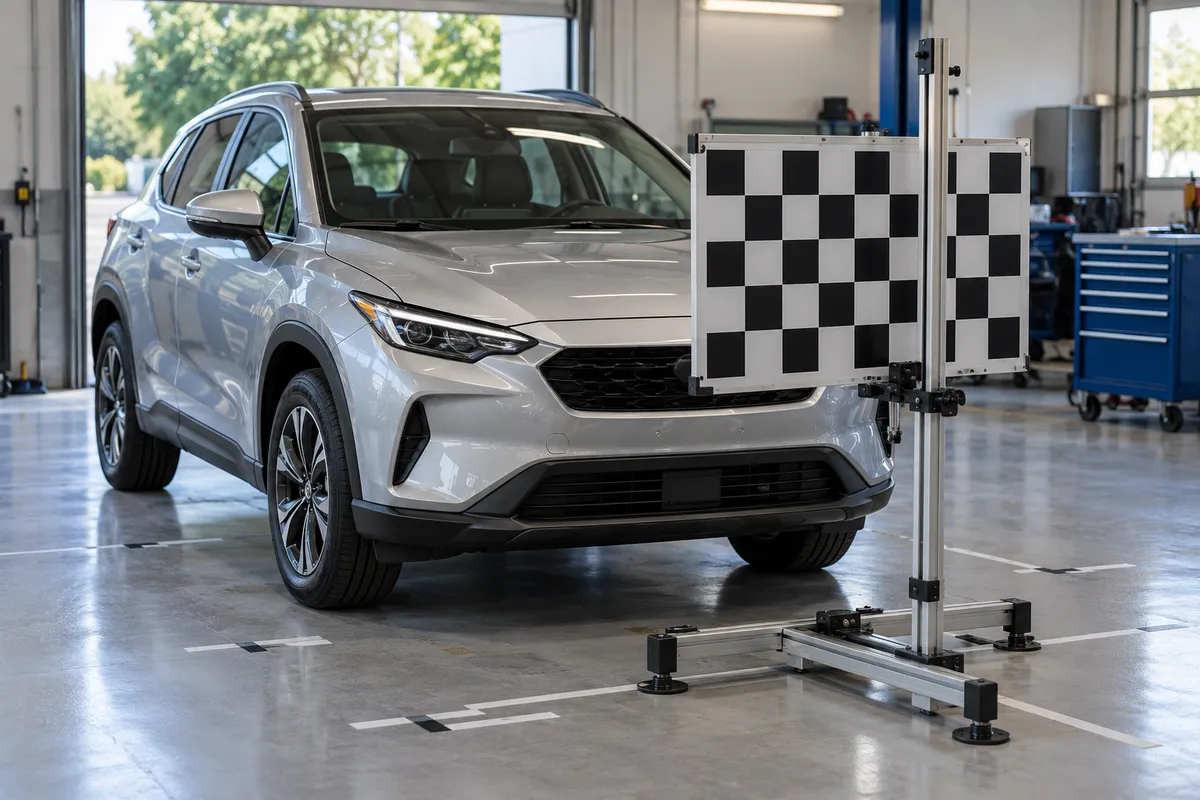
Formula 1 Collision Center uses computerized measurement systems and laser-guided tools to identify alignment issues for ultimate accuracy.

Adjustments

One of a few common adjustments addresses frame issues. After a collision, cars most often require front-end alignment. Other adjustments include four-wheel alignment, thrust angle alignment, and computerized alignment calibration.

Once the frame and wheels are aligned, a series of tests will ensure your car runs smoothly. Once fixed, an aligned car protects your steering and brakes from excessive wear and tear. This keeps you safer while also reducing gas consumption.

Do Not DIY Frame Repairs

A professional must handle any suspension system adjustment. This process requires specialized equipment and techniques.

DIY repairs are hazardous. You are more likely to cause further damage to your car and increase your chance of safety issues and accidents.

Ignoring the misalignment altogether will put you at risk and result in more expensive repairs down the line.

Trust Formula 1 Collision Center

If a collision disrupts your driving in Tucson, AZ, turn to Formula 1 Collision Center. Our body and paint shop has a wealth of experience repairing car panel alignment safely and efficiently. Trust our team to use the latest technology to accurately restore structural stability.

We’ll also help return your car to its former glory with expert paint services. Ask about our eco-friendly car paint for a greener option that doesn’t sacrifice style.

Get your car back on the road safely today. Call (520) 369-4291 for a full-service inspection and frame repair.

types of car paint damage

Five Types of Car Paint Damage and How To Fix Them

Noticing paint damage on your vehicle can feel like the end of the world. Thankfully, you can easily repair many types of car paint damage, and you’ll rarely ever need a completely new paint job. Before you start searching for paint and body shops in Tucson, AZ, take a second to read and learn about each type of damage and how to fix the one your car has.

If you notice any signs of damage starting on your vehicle, call Formula 1 Collision Center. We have over 40 years of experience with collision repair and can make your vehicle shine like it’s brand-new.

How To Identify Paint Damage on Your Car

Identifying and addressing any damage to your car early is the best way to avoid spending thousands on repairs later. Here are the most common signs and causes of car paint damage to watch out for.

1. Swirls

Swirl marks usually happen during cleaning. Automatic car washes use rough brushes that can scratch your vehicle. They can also occur if you use dirty towels or tarps on your car.

Steaming your vehicle is a good way to clean it without damaging it. If you need to cover your car, use a protective vehicle cover instead of one covered in dirt and debris.

2. Paint Oxidation

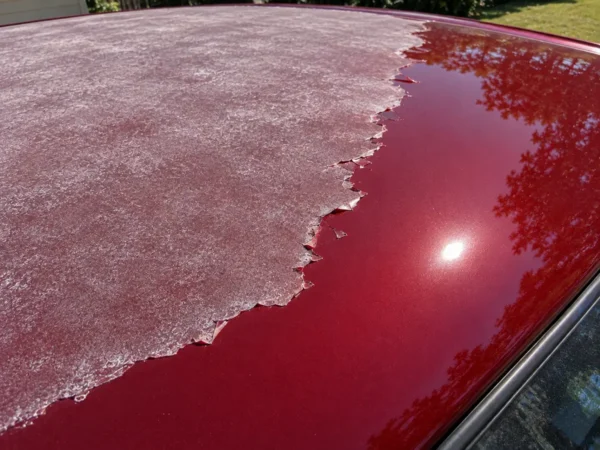
You might hear people refer to this as sun damage. Oxidation is a chemical process that occurs when the sun’s UV rays react with heat and oxygen to break down paint. You can identify oxidation by looking for its characteristic white blotches.

3. Clear Coat Peeling

It can be challenging to distinguish between oxidation and peeling clear coat. Here’s how you can tell the difference.

Run your finger around the edge of the damage. Your clear coat is peeling if you see a clear bump or hardline around it. If it’s smooth but you don’t get the distinct separation, it’s oxidation.

4. Bird Dropping Damage

Bird poop can ruin your car’s paint because it contains high levels of a corrosive substance called uric acid that eats away at the protective clear coat. If you see bird poop on your car, clean it immediately because the longer you let it sit there, the more damage it’s doing.

5. Tree Sap Stains

Tree sap is another corrosive substance that can stain your vehicle. It’s not as corrosive as bird droppings, but if you leave it too long, it can do just as much damage.

Don’t Wait for That Paint Damage To Get Worse

Ugly and peeling paint can completely ruin your vehicle’s resale value. If you want to get the most money for your vehicle when you’re ready to sell it, you need a professional who can restore it using eco-friendly car paint.

If you’re still not sure about the different types of car paint damage and how to fix them, call the best paint and body shop in Tucson, AZ: Formula 1 Collision Center.

Don’t let rust and corrosion ruin your car any longer! Call 520-369-4291 today!